
Evaluate
Document accessible contamination, damaged insulation, nesting material, odors, entry conditions and safety concerns.
SERVICES
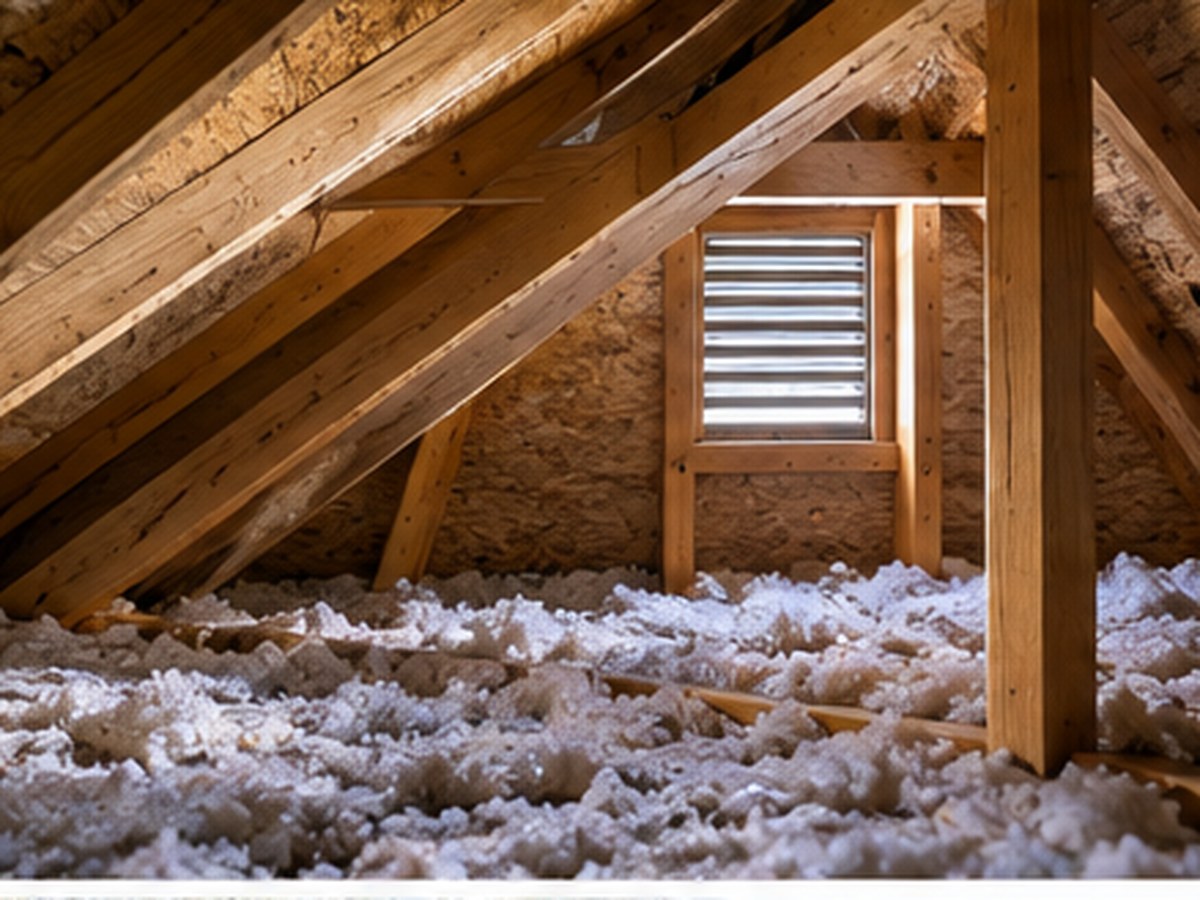
Wildlife can leave behind damaged insulation, nesting material, droppings and odor sources. Remediation begins after the active animal problem and entry route have been addressed so cleanup is not undone by repeat access.
THE PROCESS
A clear process keeps the work focused on the cause, not only the symptom.
Document accessible contamination, damaged insulation, nesting material, odors, entry conditions and safety concerns.
Use appropriate containment, PPE and work practices for the material and area being handled.
Remove the materials included in the scope and clean accessible affected areas using the agreed process.
Coordinate the next step for insulation, air sealing or other qualified trade work when those services are required.
WHAT TO EXPECT
Cleanup alone does not solve an active wildlife problem. Exclusion or repair should be addressed first.
Wildlife can compress, tear, soil or displace insulation. The scope may involve localized removal or larger remediation depending on the condition.
Electrical, structural, mold, asbestos/vermiculite and other trade concerns may require a separate qualified professional.
HOMEOWNER RESOURCE
A homeowner overview of contamination, damaged insulation, safe work sequencing, trade boundaries and what to expect during remediation.
COMMON QUESTIONS
Normally the active wildlife problem and entry route should be controlled first. Otherwise new activity can contaminate the area again.
The written scope controls the remediation method. Turcotte’s does not represent wildlife cleanup as pesticide treatment; specialized environmental or pest-treatment needs may require another qualified provider.
Work in the affected area may be paused and an appropriately qualified trade or environmental professional may be recommended before remediation continues.
LOCAL. RESPONSIVE. PROFESSIONAL.
Have questions or need a wildlife evaluation? Start with a conversation and we’ll help you identify the next practical step.