Identify
Determine the bird species, activity area, likely entry route and whether an active nest or young may be present.
SERVICES
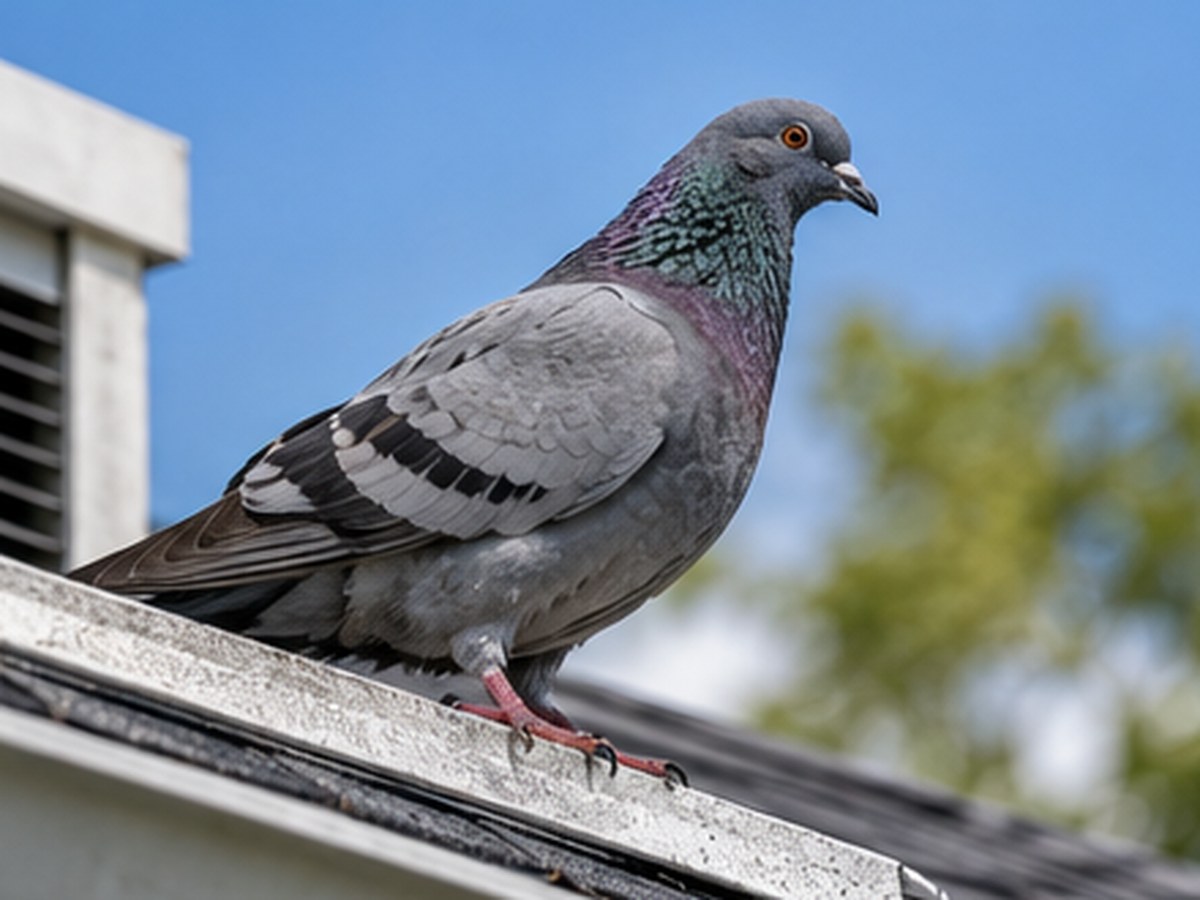
Bird problems can involve vents, rooflines, ledges, attics and other sheltered spaces. The correct solution depends on the species, active nest status, building use and applicable state or federal protections.
THE PROCESS
A clear process keeps the work focused on the cause, not only the symptom.
Determine the bird species, activity area, likely entry route and whether an active nest or young may be present.
Choose an exclusion method that fits the building and legal timing rather than disturbing protected activity.
Install screening, barriers or other approved deterrent/exclusion measures included in the written scope.
Confirm the treated area is functioning as intended and identify any new or unrelated access points.
WHAT TO EXPECT
Different species and circumstances can carry different legal requirements. Identification comes before exclusion.
Vents, eaves, roofline gaps, ledges and sheltered cavities can support roosting or nesting activity.
Do not casually remove or block an active nest. Federal and state protections may apply depending on species and nest status.
HOMEOWNER RESOURCE
A homeowner overview of bird identification, active nests, common building entry points and why the timing of exclusion matters.
COMMON QUESTIONS
No. Species and nest status matter, and federal or state protections may apply. The situation should be identified before a nest is disturbed or an opening is closed.
No. Bird-control recommendations focus on lawful exclusion, access correction and appropriate deterrence rather than poisoning wildlife.
Often, yes—provided the vent can still function as intended and active wildlife or young are not sealed inside. The exact screening method depends on the vent and building.
LOCAL. RESPONSIVE. PROFESSIONAL.
Have questions or need a wildlife evaluation? Start with a conversation and we’ll help you identify the next practical step.